In industrial process measurement and automation, pressure transmitters are foundational instruments that convert physical pressure into measurable electrical signals, enabling real-time monitoring, process control, safety compliance, and data logging across oil and gas, chemical processing, water treatment, pharmaceuticals, power generation, and manufacturing. A poorly selected pressure transmitter leads to inaccurate readings, frequent downtime, premature equipment failure, safety risks, and non-compliance with industry regulations. Unlike basic pressure gauges, modern transmitters offer precision, stability, and compatibility with digital control systems, making their selection a data-driven process that accounts for application specifics, environmental conditions, and operational requirements. This 800-word guide outlines the essential criteria to choose the ideal pressure transmitter for any process measurement application.
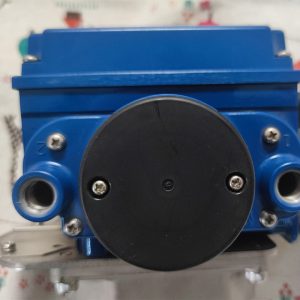
1. Define Pressure Type and Measurement Range
The first step in selection is identifying the type of pressure being measured, as this dictates the transmitter design. The three primary categories are gauge pressure (measured relative to atmospheric pressure), absolute pressure (zero-referenced to a perfect vacuum), and differential pressure (measures the difference between two pressure points). Gauge pressure transmitters are the most common for general industrial use, while absolute pressure suits vacuum applications and differential pressure is ideal for flow monitoring, level measurement, and filter clog detection.
Next, calculate the full-scale measurement range, including minimum, normal, and maximum operating pressures. Always select a transmitter with a range that exceeds the maximum expected process pressure by 25-30% to account for pressure spikes, surges, or system overloads—this prevents sensor damage and ensures accurate readings across the entire operating window. Avoid over-sizing ranges, as this reduces measurement resolution and precision at lower operating pressures.
2. Prioritize Accuracy, Stability, and Calibration Needs
Accuracy is a non-negotiable factor for process measurement, defined as the deviation from the true pressure value, typically expressed as a percentage of full scale (%FS) or percentage of reading (%AR). For critical applications such as custody transfer, pharmaceutical manufacturing, or high-precision chemical processing, select transmitters with accuracy of ±0.1% to ±0.25% FS. For general process monitoring and basic control, ±0.5% FS accuracy is often sufficient and more cost-effective.
Long-term stability is equally vital, especially for unmanned or remote installations. Look for transmitters with low drift rates (minimal signal deviation over time) to reduce calibration frequency and maintenance workload. Also confirm calibration compatibility: most industrial transmitters support field calibration or remote digital calibration via HART, Modbus, or Profibus protocols, aligning with standard plant maintenance workflows.
3. Evaluate Process Fluid and Environmental Compatibility
Process fluid properties directly impact transmitter lifespan and performance, so verify wetted part materials to resist corrosion, abrasion, and chemical damage. Common materials include 316 stainless steel (general use, compatible with most liquids and gases), Hastelloy and Monel (corrosive chemicals, saltwater, and acidic applications), and PTFE lining (highly corrosive fluids). Avoid material mismatches, as corrosive fluids will degrade sensors and cause inaccurate readings or leaks.
Environmental conditions are equally critical: assess operating temperature extremes (both ambient and process fluid temperature), humidity, vibration levels, and exposure to dust, moisture, or explosive gases. For hazardous locations (Class I, II, III Divisions), choose transmitters with ATEX, IECEx, or FM approval for intrinsic safety. For high-vibration areas (near pumps or compressors), select rugged, shock-resistant models to prevent signal interference.
4. Output Signal, Installation, and Mounting Requirements
Match the transmitter output signal to existing plant control systems to ensure seamless integration. The industry standard is the 4-20 mA analog signal, ideal for long-distance transmission and resistance to electrical interference. For smart factory setups, digital protocols such as HART (most common), Profibus PA, or Foundation Fieldbus offer two-way communication, remote configuration, and diagnostic capabilities. Wireless transmitters are suitable for remote or hard-to-reach locations where wiring is impractical.
Consider installation constraints: choose between inline, flush-mounted, or diaphragm-sealed designs based on pipe size, space limitations, and fluid viscosity. Diaphragm-sealed transmitters protect sensors from viscous, slurry, or high-temperature fluids that would damage standard sensors. Also confirm pressure connection types (NPT, BSP, or flange) to align with existing process piping.
Final Selection Tips
Beyond technical specifications, evaluate total cost of ownership, including upfront cost, maintenance, repair, and lifespan. High-quality transmitters with robust construction may have a higher initial cost but deliver long-term reliability and lower operational expenses. Always cross-reference application requirements with manufacturer datasheets, and consult with instrumentation specialists for complex or high-risk applications. A well-selected pressure transmitter ensures consistent, reliable process measurement, improves operational efficiency, and enhances workplace safety for years of trouble-free service.
(Word count: 802)