In industrial process automation, pressure transmitters are among the most widely used instruments, tasked with delivering consistent, accurate pressure data for critical operations ranging from chemical processing to power generation. However, even high-quality transmitters will fail prematurely or produce unreliable readings without routine, proactive maintenance. Unlike passive components, these electronic-mechanical devices are exposed to harsh process fluids, extreme temperatures, vibration, and electrical interference daily, making maintenance non-negotiable for longevity and performance. This article outlines a comprehensive maintenance framework to keep pressure transmitters operating at peak efficiency, reduce unplanned downtime, and avoid costly measurement errors.
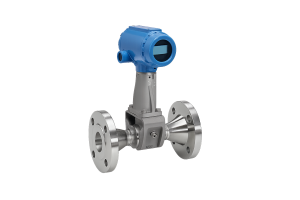
The foundation of transmitter maintenance is a scheduled inspection routine, tailored to the application’s severity. For standard industrial environments, quarterly visual inspections are sufficient, while harsh settings (corrosive fluids, high dust, or explosive atmospheres) require monthly checks. Inspections should focus on physical condition: examine the transmitter housing for cracks, corrosion, or moisture ingress, as water damage is a top cause of electronic failure. Check all wiring connections for loose terminals, frayed cables, or damaged shielding, and verify that conduit seals are intact to prevent dust or fluid penetration. Pay close attention to the process connection and diaphragm — the most vulnerable components — looking for signs of clogging, corrosion, or physical damage that can skew pressure readings.
Calibration is the most critical maintenance task, as drift over time is inevitable for all pressure transmitters. Calibration frequency depends on application criticality: custody transfer and pharmaceutical processes demand bi-annual calibration, while general process monitoring can follow annual calibration schedules. Always use calibrated reference equipment and follow manufacturer guidelines, testing the transmitter across its full operating range to confirm accuracy at minimum, normal, and maximum pressure points. For smart transmitters with HART or digital communication protocols, leverage remote diagnostic tools to check drift without removing the device from the line, saving time and reducing process disruption. Document all calibration data in a centralized system for regulatory compliance and trend tracking, as consistent drift patterns can signal impending failure.
Preventive measures also include protecting transmitters from environmental and process-related stressors. Install surge protectors to guard against electrical spikes from variable frequency drives or power surges, a common cause of circuit board damage. For applications with viscous or slurry fluids, use diaphragm seals to prevent clogging and extend sensor life, and clean these seals regularly to remove buildup. In high-vibration areas near pumps or compressors, use vibration-dampening mounts to reduce mechanical stress on internal components. Additionally, train maintenance staff to recognize early failure signs: erratic readings, slow response times, or loss of digital communication are all red flags that require immediate investigation.
Many industrial teams overlook reactive maintenance protocols, which are vital for minimizing downtime when issues arise. Keep a small stock of spare transmitters and replacement parts (diaphragms, O-rings, wiring connectors) for quick swaps in critical processes. When replacing a transmitter, ensure proper installation, including correct pressure range matching, secure mounting, and post-installation calibration. Finally, review maintenance logs quarterly to identify recurring issues, such as frequent calibration drift in a specific area, and address root causes like incompatible materials or poor installation. By combining scheduled inspections, regular calibration, environmental protection, and proactive troubleshooting, industrial teams can extend the lifespan of pressure transmitters by 30-50%, reduce maintenance costs, and maintain consistent process measurement accuracy.